Alaskan Podcaster to Take Spotlight at Podcast Movement 2026
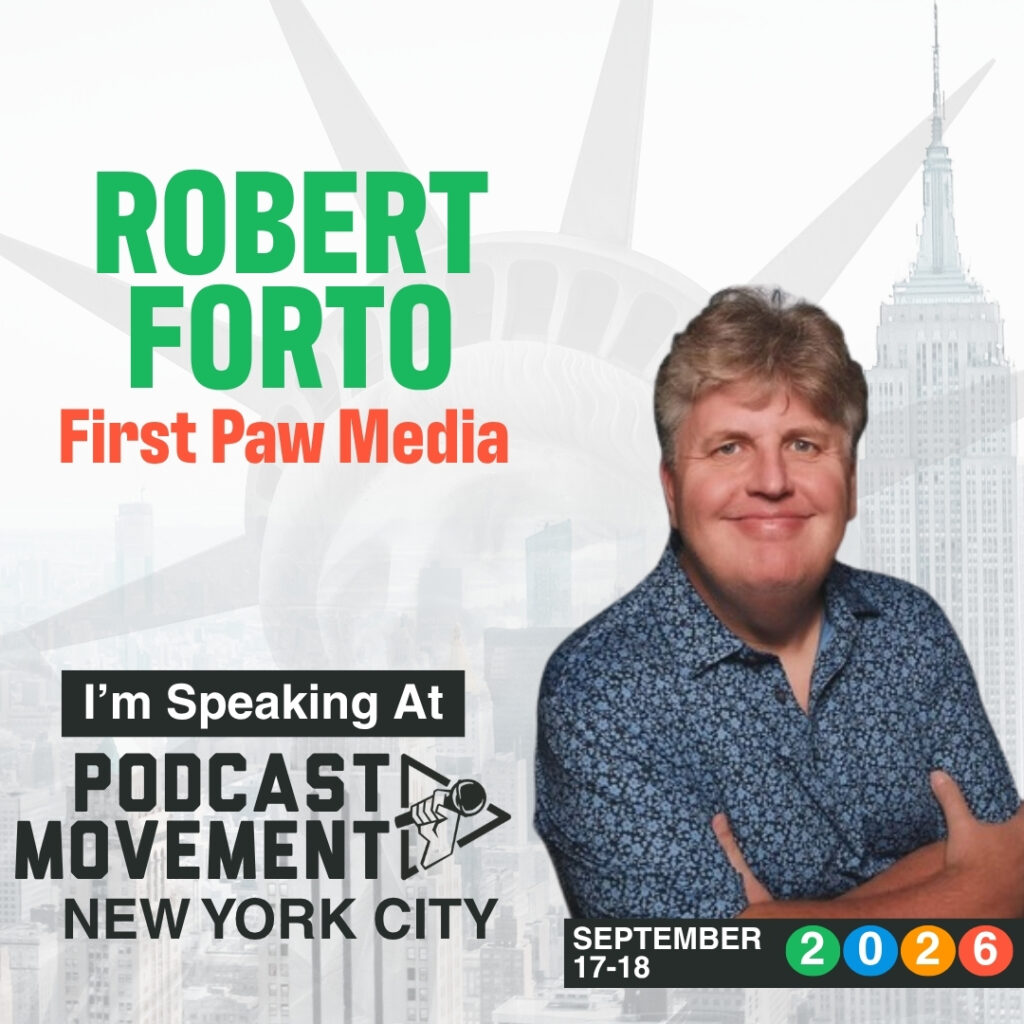
WILLOW, AK, USA- Podcast Movement, the largest podcast conference in the United States, will hold its annual gathering in New York City on September 16–18, 2026. Every year since 2014, Podcast Movement has brought thousands of podcasters and industry professionals under one roof to learn, grow professionally, and strengthen the podcast community.
Longtime Alaskan podcaster Dr. Robert Forto of First Paw Media will speak at the conference in the Marketing & Growth track. His session, Don’t Sell Your Soul to Social Media, is a 20-minute presentation followed by Q&A on Thursday, September 17.
Forto has produced podcasts since 2009, when he and co-host Michele Forto set up two microphones in the lobby of their dog training center after Saturday group class. He first attended Podcast Movement in 2017, came home with a notebook, and changed how the shows were built. He has returned almost every year. This year he is on the agenda.
The session argues that the most valuable audience is the one a creator owns. For years, podcasters have been told that success depends on social media: create more content, chase more followers, feed the algorithm. Forto will walk attendees through what happens when the algorithm changes, an account is suspended, or a platform decides the audience belongs to it rather than to the host, and the systems he has used to grow shows and businesses through email, websites, newsletters, and community instead of vanity metrics.
“You do not own the people who follow you,” Forto said. “You own a login until you don’t. Social is a front door. It is not the house. I am not asking anyone to delete Instagram. I am asking them to stop living there.”
Attendees will leave with a listener path—show, site, offer, list, home—and three moves they can make before their next episode: turn that episode into a ten-minute magnet, put one URL in the open and the close, and deliver it by email.
A companion episode of Dog Works Radio, hosted by Michele Forto, airs the same day. The session one-pager is at DogWorksRadio.com/soul.
About Robert Forto
Dr. Robert Forto is a podcaster, educator, and the founder of First Paw Media, Alaska Dog Works, and Dog Works Radio. He holds a Doctor of Strategic Leadership from Liberty University and teaches outdoor leadership and dog mushing at the university level in Alaska. He has produced thousands of podcast episodes, built businesses through content marketing, and advises creators and organizations on audience growth and brand development. He lives in Willow, Alaska.
About First Paw Media
First Paw Media is an Alaska-based production and coaching company that helps creators and businesses put a podcast at the center of a durable brand. Its family of shows includes Dog Works Radio, Mushing Radio, and Peak Experience.
Media Contact
Michele Forto
First Paw Media
firstpawmedia@gmail.com
https://firstpaw.media
https://dogworksradio.com/soul
October 6, 2025
For Immediate Release

Team and Trail Foundation Integrates Mushing Magazine and Sled Dog Team to Advance Outdoor Leadership and Equity
The Team and Trail Foundation, a 501(c)(3) nonprofit dedicated to empowering adventurers and advancing environmental and social equity, announces the integration of Mushing Magazine and Team and Trail, the leading publications for dog-powered adventure since 1963, and a 35-dog sled team into its operations. Effective immediately, this move strengthens the foundation’s mission to cultivate sustainable outdoor leadership, uplift communities disproportionately affected by climate change, and remove barriers to nature through immersive mushing education.
The foundation leverages these assets to deliver impactful programs, including Mushing Magazine’s award-winning stories, podcasts (e.g., “From TikTok to Trail” with Tone Coughlin), and educational offerings like the Adventure Dogs Club and workshops. The 35-dog sled team will power hands-on training, building on the expertise of Dr. Robert Forto, an adjunct instructor at the University of Alaska Anchorage and Alaska Pacific University, where he teaches dog mushing and outdoor leadership.
“Our vision is to inspire and educate through dog-powered adventures,” said Dr. Forto. “By uniting Mushing Magazine’s storytelling with our sled team’s real-world impact, we’re fostering leadership and equity while preserving Alaska’s mushing heritage.”
The foundation’s updated vision emphasizes:
- Cultivating outdoor leaders committed to sustainability.
- Bridging environmental sustainability and social equity.
- Amplifying community voices impacted by climate change.
- Advancing mushing education through media and hands-on programs.
With 1% of sales supporting grassroots projects, Team and Trail is breaking down barriers to outdoor access. The foundation invites supporters to join this movement by subscribing to Mushing+ for exclusive content at mushing.com or donating at teamandtrail.com/team-and-trail-foundation.
About Team and Trail Foundation Founded to empower adventurers, Team and Trail Foundation funds sustainable leadership initiatives and champions environmental and social equity. Through Mushing Magazine, educational courses, and dog-powered programs, it connects communities to the transformative power of the outdoors.
Media Contact: For interviews or inquiries, contact leaddog@mushing.com or (907) 841-1686
##
In an era defined by rapid technological advancements and changing consumer behaviors, the print magazine industry faces a crucial juncture. With the proliferation of digital media, the question isn’t if print magazines should evolve, but how quickly they can adapt to survive. In this comprehensive blog post, we will explore why print magazines must transition to a more robust digital offering, the benefits of going digital, and actionable steps for a successful transformation.
The Current State of Print Magazines
The print magazine industry has been experiencing significant challenges over the past decade. According to recent statistics, print magazine circulation has declined dramatically, with many titles facing bankruptcy or shutting down altogether. Factors contributing to this decline include:
- Changing Consumer Preferences: Modern consumers increasingly turn to digital platforms for their news and entertainment. The convenience of accessing content on mobile devices and computers makes digital offerings more appealing than traditional print.
- Cost Inefficiencies: Printing and distribution costs are substantial. As advertising revenue declines, maintaining a print operation becomes less sustainable.
- Environmental Concerns: With a growing emphasis on sustainability, consumers are more conscious of their environmental impact. Digital magazines offer a greener alternative to print.
The Benefits of Going Digital
Transitioning to a digital format presents numerous advantages for magazines looking to evolve. Here are some key benefits:
- Wider Reach and Accessibility
Digital magazines can reach a global audience at a fraction of the cost of print distribution. With just a click, readers from different continents can access your content. This expanded reach increases your readership and opens up new advertising opportunities.
- Interactive Content
Digital platforms allow for rich, interactive content experiences. Readers can engage with multimedia elements such as videos, podcasts, infographics, and clickable links, enhancing the overall user experience. This level of interactivity is impossible to achieve with print.
- Real-Time Analytics
One of the most significant advantages of digital media is the ability to gather real-time analytics. Publishers can track reader engagement, preferences, and behaviors, allowing for data-driven decisions. This insight helps refine content strategies and improve audience targeting.
- Cost-Effectiveness
While transitioning to digital may require an upfront investment, the long-term savings are undeniable. Eliminating printing and distribution costs can free up resources for content creation, marketing, and technology enhancements.
- Adaptability and Flexibility
Digital magazines can be updated easily and quickly. Publishers can respond promptly without waiting for the next print cycle if a story breaks or a trend emerges. This flexibility keeps content fresh and relevant.
- Enhanced Marketing Opportunities
Digital magazines can leverage SEO (Search Engine Optimization) strategies to increase visibility. By utilizing keywords, optimizing content, and engaging in social media marketing, magazines can drive traffic to their digital platforms and grow their audience organically.
Steps to Successfully Transition to Digital
Transitioning a print magazine to a digital offering requires careful planning and execution. Here are some actionable steps to guide you through the process:
- Assess Your Audience
Understanding your audience is crucial. Conduct surveys or utilize analytics to gather insights about your readers’ preferences, interests, and digital habits. Tailor your digital content to meet their needs and expectations.
- Invest in Technology
Choose a robust content management system (CMS) that supports multimedia content and provides analytics capabilities. Investing in the right technology is essential for a seamless digital experience.
- Create Compelling Digital Content
Focus on creating high-quality, engaging content that resonates with your audience. Diversify your offerings by incorporating different formats, such as articles, videos, podcasts, and interactive infographics.
- Optimize for SEO
Implement SEO best practices to ensure your content ranks well on search engines. Use relevant keywords, meta descriptions, and alt tags for images. Regularly update your content to keep it fresh and relevant.
- Leverage Social Media
Utilize social media platforms to promote your digital magazine. Share snippets of content, engage with your audience, and create a community around your brand. Social media can increase your reach and drive traffic to your digital site.
- Engage Your Audience
Encourage reader interaction through comments, polls, and social media shares. Building a community around your content fosters loyalty and encourages word-of-mouth marketing.
- Offer Subscriptions and Memberships
Consider offering subscription models or membership options for exclusive content. This can create a steady revenue stream and enhance reader loyalty.
- Monitor and Adapt
Continuously track your performance metrics and audience engagement. Use this data to refine your content strategy and make necessary adjustments to improve the user experience.
Case Studies of Successful Transitions
Several print magazines have successfully made the leap to digital, setting examples for others to follow:
- National Geographic
National Geographic has embraced digital transformation by offering a rich digital experience with interactive features, stunning photography, and educational resources. Their digital platform has attracted a younger audience, driving subscriptions and engagement.
- Wired Magazine
Wired has focused on creating a strong online presence, blending in-depth articles with multimedia content. Their website features interactive graphics and videos, making complex topics accessible and engaging for readers.
- The New Yorker
The New Yorker has successfully transitioned to digital by offering readers a seamless platform experience. With a subscription model that includes print and digital content access, they have maintained their reputation while reaching a broader audience.
Conclusion: The Future of Print Magazines
The print magazine industry is at a crossroads. Evolving into a digital offering is no longer just an option; it’s a necessity for survival. By embracing the digital landscape, magazines can tap into new revenue streams, engage a wider audience, and create a more sustainable business model.
As the adage goes, “Evolve or die.” The choice is clear: adapt to the digital age or risk becoming obsolete. By taking proactive steps toward digital transformation, print magazines can survive and thrive in this new era of media consumption. The future belongs to those who embrace change and leverage technology to enhance the reader experience.
Print magazines must recognize the urgency of evolution. The digital landscape offers unparalleled opportunities for growth and engagement. By taking the plunge into digital, magazines can secure their place in the hearts and minds of readers worldwide. The time to act is now—embrace the change, and watch your magazine flourish.
In the ever-evolving world of digital content, podcasts have surged in popularity, offering creators a unique platform for storytelling, education, and engagement. However, as a podcaster, you may find yourself asking, “How do I monetize my podcast and generate revenue from my content?” This comprehensive guide will explore various strategies to help you turn your podcast into a profitable venture.
Understanding Your Audience
Before diving into monetization strategies, it’s crucial to understand your audience. Knowing who listens to your podcast, their interests, and their demographics can significantly influence how you choose to monetize your content. Use analytics tools to gather insights about your listeners’ behaviors and preferences. This information will guide your monetization approach, enabling you to create offers that resonate with your audience.
1. Sponsorships and Advertisements
Sponsored Content
One of the most common ways to monetize a podcast is through sponsorships. Companies pay you to mention their products or services during your episodes. To attract sponsors, ensure your podcast has a decent following and engagement. Craft a compelling pitch that highlights your audience demographics and the benefits of partnering with you.
Dynamic Ad Insertion
Dynamic ad insertion allows you to include relevant ads in your episodes even after they have been published. This method not only helps you keep your content fresh but also maximizes your revenue potential by inserting ads that are relevant to your current audience. Services like Podbean and Acast can assist with dynamic ad insertion.
2. Affiliate Marketing
Affiliate marketing is another effective strategy for monetizing your podcast. By promoting products or services and providing your audience with a unique affiliate link, you earn a commission for each sale made through that link. Choose products that align with your content and audience interests to maximize conversions.
How to Get Started
Join Affiliate Programs: Sign up for affiliate programs related to your niche. Popular platforms include Amazon Associates, ShareASale, and Commission Junction.
Promote Wisely: Integrate your affiliate promotions naturally into your episodes. Share personal experiences with the products to build trust with your audience.
3. Subscription Models
Offering premium content through a subscription model can generate consistent revenue. Platforms like Patreon allow you to provide exclusive content, ad-free episodes, or behind-the-scenes access to paying subscribers.
Benefits of Subscription Models
- Steady Income: Subscription models provide a predictable revenue stream.
- Stronger Community: Engaging with subscribers creates a loyal community around your podcast.
How to Implement
- Define Tiers: Create different subscription tiers with varying benefits to cater to different audience segments.
- Market Your Offer: Use your podcast and social media to promote your subscription options.
4. Merchandise Sales
Selling merchandise can be a fun and engaging way to monetize your podcast. Create branded items like T-shirts, mugs, or stickers that resonate with your audience.
Steps to Launch Merchandise
- Design Your Products: Create eye-catching designs that reflect your podcast’s theme or inside jokes.
- Choose a Platform: Use platforms like Teespring or Printful to handle production and shipping, allowing you to focus on content creation.
- Promote Your Merchandise: Regularly mention your merchandise in your episodes and share it on social media.
5. Crowdfunding
Crowdfunding is another option for podcasters looking to generate revenue. Platforms like Kickstarter or Indiegogo can help you raise funds for specific projects or ongoing operations.
How to Use Crowdfunding Effectively
- Set Clear Goals: Define what you need funding for and outline how it will benefit your audience.
- Engage Your Audience: Involve your listeners in the process and offer them incentives for their contributions.
6. Live Events and Tours
Hosting live events can create a unique experience for your audience while generating revenue. Consider organizing live podcast recordings, workshops, or meet-and-greet events.
Planning Your Event
- Choose a Venue: Select a location that’s convenient for your audience.
- Promote It: Use your podcast and social media channels to promote the event, creating buzz among your listeners.
- Sell Tickets: Use platforms like Eventbrite to manage ticket sales and RSVPs.
7. Online Courses and Workshops
If you have expertise in a particular area, consider creating online courses or workshops related to your podcast content. This can be an excellent way to provide value to your audience while generating income.
Steps to Create Online Courses
- Identify Your Topic: Choose a subject that aligns with your podcast and interests your audience.
- Create Quality Content: Develop engaging and informative course materials, including videos, guides, and quizzes.
- Market Your Course: Promote your course through your podcast, email newsletters, and social media.
8. Licensing Your Content
If you create high-quality content, consider licensing your episodes to other platforms or networks. This allows you to reach a broader audience while generating revenue.
How to License Your Content
- Research Opportunities: Look for networks or platforms looking for content in your niche.
- Negotiate Terms: Ensure you understand the licensing agreement and how it will affect your rights to the content.
9. Consulting and Coaching
If your podcast showcases your expertise, you can offer consulting or coaching services. This is particularly effective for niche podcasts where you can provide valuable insights.
How to Offer Consulting Services
- Define Your Services: Clearly outline what you offer and how it benefits potential clients.
- Promote on Your Podcast: Mention your consulting services in your episodes and share testimonials from past clients.
10. Build a Strong Brand
Finally, building a strong brand around your podcast is essential for long-term monetization. A recognizable brand can attract sponsors, create loyalty among your audience, and open doors to new opportunities.
Tips for Building Your Brand
- Consistent Branding: Use consistent visuals and messaging across all platforms.
- Engage with Your Audience: Foster a community by interacting with your listeners through social media, newsletters, and events.
- Network with Other Podcasters: Collaborate with other creators in your niche to expand your reach and build credibility.
Conclusion
Monetizing your podcast requires a strategic approach, understanding your audience, and exploring various revenue streams. By implementing these strategies, you can create a sustainable income from your content while continuing to provide value to your listeners. Remember, success in podcast monetization doesn’t happen overnight. Stay committed, adapt to your audience’s needs, and watch your podcast thrive financially.
Call to Action
Ready to take your podcast to the next level? Start implementing these strategies today, and don’t forget to engage with your audience to foster a community that supports your growth. Share your journey and insights with fellow podcasters, and consider reaching out for collaborations that can enhance your reach and revenue potential. Happy podcasting!
In recent years, podcasting has surged in popularity, becoming a vital medium for storytelling, education, and entertainment. With countless creators entering the space, choosing the right podcast hosting platform is crucial for success. This blog post will guide you through the key considerations and features to look for when selecting a podcast hosting platform that aligns with your needs.
Understanding Podcast Hosting
Before diving into the selection process, it’s essential to understand what podcast hosting entails. A podcast hosting platform is a service that stores your podcast audio files and distributes them to various podcast directories, such as Apple Podcasts, Spotify, and Google Podcasts. A reliable hosting platform is critical for ensuring your episodes are accessible to your audience.
Key Features to Consider
1. Storage and Bandwidth
One of the first things to evaluate is the storage capacity and bandwidth offered by the hosting platform. Different platforms provide varying limits on how many episodes you can upload and how much data you can transfer each month.
Storage Capacity: If you plan to produce a high volume of content or longer episodes, look for a platform that offers ample storage. Some platforms provide unlimited storage, which can be advantageous for frequent podcasters.
Bandwidth: Ensure that the platform can handle your expected listener traffic. Bandwidth limits can restrict how many downloads your podcast can receive, potentially hindering growth.
2. Ease of Use
A user-friendly interface is crucial, especially if you’re new to podcasting. Choose a platform that simplifies the uploading process and allows easy episode management.
Dashboard Navigation: Look for intuitive dashboards that make it easy to navigate your episodes, analytics, and settings.
Publishing Tools: Some platforms offer features like scheduling and easy episode editing, which can save you time and effort.
3. Distribution and Integration
Your podcast needs to be easily accessible to reach a wider audience. Evaluate how well the platform handles distribution to major podcast directories.
One-Click Distribution: Many platforms offer one-click distribution to multiple directories. This feature is invaluable for ensuring your podcast reaches listeners on various platforms without extra effort.
Integration with Other Tools: Consider whether the hosting platform integrates with other tools you use, such as social media, email marketing services, or analytics tools.
4. Analytics and Insights
Understanding your audience is key to growing your podcast. Look for a hosting platform that provides robust analytics.
Listener Metrics: Check if the platform offers detailed statistics on downloads, listener demographics, and engagement rates. This data can inform your content strategy and marketing efforts.
Trends Over Time: It’s helpful to track your podcast’s growth over time, so choose a platform that provides historical data to see how your audience evolves.
5. Monetization Options
If you plan to monetize your podcast, consider the monetization features available on the hosting platform.
Ad Integration: Some platforms allow you to insert ads into your episodes, offering a straightforward way to generate revenue.
Listener Donations: Look for platforms that support listener donations or memberships, which can provide an additional income stream.
6. Customer Support
Reliable customer support can save you time and frustration, especially if you encounter technical issues.
Support Channels: Check whether the platform offers multiple support channels, such as email, live chat, or phone support.
Knowledge Base: A comprehensive knowledge base or community forum can be invaluable for troubleshooting common issues and learning best practices.
7. Pricing Structure
Pricing can vary significantly between podcast hosting platforms, so it’s essential to understand what you’re paying for.
Free vs. Paid Plans: While some platforms offer free hosting, these plans often come with limitations. Assess whether the features provided justify the cost of a paid plan.
Scalability: Consider your future plans. A platform that allows easy upgrades can be beneficial as your podcast grows.
8. Additional Features
Look for any unique features that may enhance your podcasting experience.
Website Creation: Some hosting platforms provide built-in website creation tools to showcase your podcast and engage with your audience.
Mobile App: Check if the platform has a mobile app that allows you to manage your podcast on the go.
Popular Podcast Hosting Platforms
To help you narrow down your options, here are some popular podcast hosting platforms, each with its strengths:
1. Libsyn
Libsyn is one of the oldest and most reputable podcast hosting platforms. It offers robust distribution options, detailed analytics, and monetization features. Libsyn is ideal for serious podcasters looking for a reliable and feature-rich platform.
2. Podbean
Podbean is known for its user-friendly interface and all-in-one solution for podcast hosting. It offers unlimited storage, a mobile app, and monetization options through ads and listener support. Podbean is suitable for beginners and experienced podcasters alike.
3. Anchor
Anchor is a free podcast hosting platform that has gained popularity for its simplicity and ease of use. It offers unlimited storage and automatic distribution to major platforms. Anchor is an excellent choice for those just starting and looking for a cost-effective solution.
4. Buzzsprout
Buzzsprout is user-friendly and offers a variety of features, including detailed analytics, easy episode management, and a built-in website for your podcast. It’s ideal for beginners who want a straightforward hosting experience.
5. Transistor
Transistor is a professional podcast hosting platform that caters to businesses and creators. It offers advanced analytics, team collaboration tools, and customizable podcast websites. Transistor is perfect for podcasters looking for a more sophisticated hosting solution.
Making Your Decision
Once you’ve considered the key features and evaluated different platforms, it’s time to make your decision. Here are a few steps to help you finalize your choice:
Identify Your Needs: Make a list of your podcasting goals and requirements. Understanding what you need will help you focus on platforms that align with your objectives.
Compare Platforms: Create a comparison chart of the platforms you’re interested in. Note their features, pricing, and any unique offerings.
Trial Periods: Take advantage of free trials or demo versions to test the platforms before committing. This firsthand experience can provide valuable insights into usability and features.
Seek Recommendations: Don’t hesitate to reach out to fellow podcasters or online communities for recommendations and experiences with different hosting platforms.
Trust Your Instincts: Ultimately, choose a platform that feels right for you. Your podcasting journey should be enjoyable, and having the right tools can make all the difference.
Conclusion
Choosing the right podcast hosting platform is a critical step in your podcasting journey. By considering factors such as storage, ease of use, distribution capabilities, analytics, monetization options, and customer support, you can select a platform that meets your needs and supports your growth. With the right hosting partner, you’ll be well-equipped to create and share your podcast with the world. Happy podcasting!
In today’s digital landscape, podcasts have become a cornerstone of content consumption, offering a unique way for individuals and brands to connect with audiences. However, the competition is fierce, with thousands of podcasts vying for listeners’ attention. One of the most crucial elements in attracting and retaining an audience is effective podcast artwork and branding. This post explores the best practices for creating engaging podcast artwork and branding that can elevate your podcast and help it stand out in a crowded marketplace.
Understanding the Importance of Podcast Artwork
Podcast artwork serves as the visual representation of your show. It is often the first thing potential listeners see when browsing their podcast app or social media. Therefore, it is essential that your artwork not only attracts attention but also communicates the essence of your podcast. Effective artwork can:
- Capture Attention: With limited screen space, eye-catching artwork can draw listeners in.
- Convey Genre and Tone: The design can quickly inform potential listeners about the podcast’s theme, whether it’s lighthearted, educational, or serious.
- Build Brand Recognition: Consistent visual branding helps in establishing and reinforcing your podcast’s identity.
Best Practices for Designing Podcast Artwork
1. Keep It Simple
Simplicity is key when it comes to podcast artwork. Your design should be clean and uncluttered, allowing it to be easily recognizable at a glance. Here are some tips:
- Limit Text: Use minimal text; ideally, just the podcast title and perhaps a tagline. This ensures readability, especially in small thumbnail sizes.
- Choose One Focal Point: Whether it’s an image, logo, or color, select one element that will stand out and capture attention.
2. Use High-Quality Images
The quality of your images is crucial. Blurry or pixelated artwork can give a poor first impression. When selecting images, consider the following:
- Professional Photography: Use high-resolution photos that relate to your podcast’s theme. If your podcast features interviews, consider using a professional headshot.
- Graphic Design Elements: If you’re using illustrations or graphics, ensure they are high quality and well-crafted.
3. Consider Colors Carefully
Color plays a significant role in evoking emotions and attracting attention. Here are some tips for color selection:
- Psychological Impact: Different colors evoke different feelings. For instance, blue may convey trust, while red can evoke excitement.
- Contrast: Use contrasting colors to make your text and visuals pop. This is especially important for visibility when the artwork is scaled down.
4. Choose the Right Fonts
Typography is an essential aspect of your podcast artwork. Selecting the right font can greatly affect the overall perception of your podcast:
- Legibility: Choose fonts that are easy to read, even at smaller sizes. Avoid overly decorative fonts that may hinder readability.
- Brand Alignment: Your font should align with your podcast’s theme. For example, a fun and lighthearted podcast may benefit from playful fonts, while a serious business podcast may require more professional typography.
5. Create a Cohesive Brand Identity
Your podcast artwork should reflect your overall brand identity. Consider the following elements:
- Logo: If you have a logo for your brand, incorporate it into your artwork to create consistency across all platforms.
- Theme: Ensure that your artwork aligns with the themes and topics discussed in your podcast. If your show is about technology, for instance, a sleek, modern design may be appropriate.
6. Optimize for Different Platforms
Your podcast artwork will appear on various platforms, each with different size requirements. Make sure your artwork is adaptable:
- Size Variations: Create different versions of your artwork to meet the specifications of platforms like Apple Podcasts, Spotify, and social media.
- Test Across Devices: Preview your artwork on various devices to ensure it looks good on both mobile and desktop displays.
7. Get Feedback
Before finalizing your artwork, gather feedback from potential listeners or peers in the podcasting community. Here are some strategies:
- Surveys: Create a simple survey to gather opinions on different design options.
- Focus Groups: If possible, organize a small focus group to discuss your artwork and gather insights.
8. Stay Updated with Trends
Design trends are constantly evolving. While you want your artwork to be timeless, incorporating current trends can make it feel fresh and relevant. Here are some trends to consider:
- Minimalism: Clean, minimalist designs are increasingly popular and can help convey a modern feel.
- Bold Colors and Patterns: Bright colors and unique patterns can make your artwork stand out and attract attention.
Branding Beyond Artwork
While podcast artwork is crucial, branding encompasses more than just visuals. Here are some additional elements to consider:
1. Consistent Messaging
Your podcast’s messaging should be consistent across all platforms. This includes:
- Social Media: Use similar graphics, colors, and tone of voice across your social media channels.
- Website: If you have a website for your podcast, ensure that it aligns with your artwork and branding.
2. Intro and Outro Music
Sound branding is an often-overlooked aspect of podcast branding. Consider the following:
- Theme Music: Choose music that reflects your podcast’s tone and genre.
- Consistent Sound Design: Use similar sound effects or styles in your intros and outros to create a cohesive audio brand.
3. Audience Engagement
Building a brand involves creating a relationship with your audience. Here are some strategies:
- Social Media Interaction: Engage with your audience on social media platforms, responding to comments and encouraging discussions.
- Listener Feedback: Encourage listeners to provide feedback on your episodes, which can foster a sense of community and loyalty.
4. Merchandise
If your podcast gains a following, consider creating merchandise that features your branding. This can help solidify your brand identity and create additional revenue streams.
Conclusion
Creating engaging podcast artwork and branding is essential for attracting and retaining listeners in a competitive market. By following the best practices outlined in this post—such as keeping it simple, using high-quality images, choosing the right colors and fonts, and ensuring a cohesive brand identity—you can create artwork that not only captures attention but also effectively communicates the essence of your podcast.
Remember that branding extends beyond visual elements. Consistent messaging, sound branding, audience engagement, and even merchandise can all contribute to a strong podcast brand. By investing time and effort into creating a compelling brand identity, you can position your podcast for success and build a loyal listener base.
In the ever-evolving world of podcasting, staying updated with trends and being open to feedback can help you refine your approach and keep your brand fresh and relevant. With the right strategies in place, your podcast can stand out in the crowd, attract more listeners, and ultimately achieve greater success.
Call to Action
Ready to take your podcast to the next level? Schedule a call with us today to discuss your podcasting goals and get tailored advice on how to enhance your presence across platforms. Let’s transform your podcasting dreams into reality!
By following this comprehensive guide, you’ll be well on your way to making your podcast accessible to a broader audience. Remember, persistence and consistency are key in the podcasting world. Happy podcasting!
Creating compelling show notes and episode descriptions is crucial for attracting and retaining podcast listeners. Not only do they provide a snapshot of your episode’s content, but they also enhance discoverability and engagement. In this blog post, we will explore the best practices for crafting effective show notes and episode descriptions, ensuring your podcast reaches its full potential.
Understanding Show Notes and Episode Descriptions
What Are Show Notes?
Show notes are detailed summaries of your podcast episodes. They provide an overview of the content, key points discussed, and any relevant links or resources. Show notes are valuable for both listeners and search engines, as they help convey the essence of your episode and improve SEO.
What Are Episode Descriptions?
Episode descriptions are brief summaries that appear on podcast platforms. They entice potential listeners by highlighting the episode’s main topics and guests. A well-crafted episode description can significantly impact whether someone decides to listen to your episode.
The Importance of Show Notes and Episode Descriptions
Enhanced Discoverability: Well-written notes and descriptions improve your podcast’s SEO, making it easier for people to find your content through search engines.
Audience Engagement: They provide listeners with a roadmap of what to expect, encouraging them to engage more deeply with your content.
Professionalism: High-quality notes and descriptions reflect the professionalism of your podcast, establishing credibility with your audience.
Resource for Listeners: They offer additional resources and links, enhancing the value of your podcast.
How to Write Effective Show Notes
1. Start with a Strong Summary
Begin your show notes with a concise summary of the episode. Highlight the main topics, key takeaways, and any special guests. This summary should be compelling enough to grab the reader’s attention.
2. Include Key Points and Timestamps
Break down the episode into key points or segments. Use timestamps to allow listeners to jump to specific parts of the episode. This is particularly useful for lengthy episodes.
3. Add Quotes and Highlights
Incorporate memorable quotes or highlights from the episode. These can serve as teasers and encourage potential listeners to tune in.
4. Provide Links and Resources
Include links to resources, articles, or products mentioned in the episode. This not only adds value for listeners but also boosts your SEO by linking to relevant content.
5. Use Bullet Points for Clarity
Organize information using bullet points for easy readability. This format allows listeners to quickly scan the notes and find the information they need.
How to Write Compelling Episode Descriptions
1. Keep It Concise
Episode descriptions should be brief yet informative. Aim for 2-3 sentences that summarize the episode’s main points and entice the listener.
2. Use Engaging Language
Use language that captures attention and sparks curiosity. Phrases like “Discover how…” or “Learn about…” can draw listeners in.
3. Highlight Guests and Topics
Mention any notable guests or intriguing topics discussed. This can be a deciding factor for listeners browsing for interesting content.
4. Include a Call-to-Action
Encourage listeners to take action, whether it’s subscribing to your podcast, visiting your website, or sharing the episode with friends.
Best Practices for SEO Optimization
1. Use Relevant Keywords
Incorporate keywords naturally within your show notes and episode descriptions. This improves your podcast’s visibility in search engine results.
2. Optimize Titles
Ensure your episode titles are descriptive and include keywords. This is crucial for both SEO and attracting potential listeners.
3. Leverage Metadata
Utilize metadata fields in your podcast hosting platform. This includes tags, categories, and descriptions, all of which enhance discoverability.
4. Create Transcripts
Consider providing full episode transcripts. Not only do they improve accessibility, but they also contribute to SEO by adding keyword-rich content to your site.
Common Mistakes to Avoid
Overloading with Information: Keep your notes and descriptions focused. Avoid overwhelming the reader with too much detail.
Neglecting SEO: Failing to incorporate keywords and optimize titles can hinder your podcast’s discoverability.
Ignoring Readability: Ensure your content is easy to read by using bullet points and clear, concise language.
Forgetting the CTA: Always include a call-to-action to guide your listeners on what to do next.
Conclusion
Crafting effective show notes and episode descriptions is a vital aspect of podcasting. By providing clear, engaging, and SEO-optimized content, you can attract more listeners and enhance your podcast’s reach.
If you’re ready to take your podcast to the next level, schedule a call with our team to discuss how we can help you create impactful show notes and episode descriptions. We’re here to support you every step of the way.
Call to Action
Ready to take your podcast to the next level? Schedule a call with us today to discuss your podcasting goals and get tailored advice on how to enhance your presence across platforms. Let’s transform your podcasting dreams into reality!
By following this comprehensive guide, you’ll be well on your way to making your podcast accessible to a broader audience. Remember, persistence and consistency are key in the podcasting world. Happy podcasting!
To stand out in the social media noise, small media outlets can focus on creating high-quality, niche content that deeply resonates with a specific audience, utilizing diverse formats like video, infographics, and storytelling, while actively engaging with their followers through thoughtful commentary and community building strategies.
Key strategies for small media outlets to stand out on social media:
- Niche Focus:
Identify a specific topic or community that larger outlets might not be covering in depth and become the go-to source for that information.
- Compelling Storytelling:
Craft narratives that connect with your audience on an emotional level, going beyond just reporting facts.
- Content Variety:
Experiment with different content formats like live videos, polls, behind-the-scenes glimpses, interviews, and infographics to keep things engaging.
- Authentic Voice:
Be genuine and transparent in your communication, allowing your unique personality to shine through.
- Community Building:
Foster interaction with your audience through comments, Q&A sessions, and actively responding to messages.
- Targeted Engagement:
Utilize social media features to reach specific demographics and interests within your niche.
- Visual Appeal:
Invest in high-quality visuals, graphics, and imagery to attract attention.
- Influencer Collaborations:
Partner with relevant influencers to reach a wider audience within your niche
- Timing and Consistency:
Post content regularly at optimal times to maximize visibility.
- Data Analysis:
Use analytics to track what content performs well and adjust your strategy accordingly.
Important Considerations:
- Platform Specific Strategy: Tailor content to each social media platform based on its strengths and audience.
- Paid Promotion: Consider using targeted paid advertising to reach a larger audience.
- Local Focus: If applicable, highlight local news and events to connect with your community.
"Our Biggest Competition is Sleep
Reed Hastings, Founder of Netflix
One of the greatest pieces of advice we received in the early days of taking over Mushing Magazine was from a long-time subscriber who said, today you can get just about anything about mushing for free and instanataous, do better than that and create rich-content that will last a lifetime in your magazine.
This was such sage advice. Recently we were covering the Junior Iditarod finish and we counted at least a dozen fans/parents/race organizers/volunteers/and yes, even us, with our phones out and going “live” to capture the moment. All of us telling the same story to essentially the same audience. It was not a very effective media strategy.
Are you a member of the media or athlete that would like some advice on media training? Book a FREE call at https://calendly.com/firstpawmedia/15min
As a credentialed media member at events we are often tasked with asking questions to athletes that have not had any formal media training and they are unsure about how to conduct themselves in front of a camera or microphone.
Here are some tips for media members on how to approach non-professional athletes to get the best results.
Key points to remember:
- Introduce yourself clearly: Explain who you are and why you’re reaching out to them.
- Be appreciative: Acknowledge their time and willingness to speak with you.
- Start with easy questions: Begin with basic details about their involvement in the sport, their motivations, and how they got started.
- Ask open-ended questions: Encourage them to elaborate on their experiences by asking “why” and “how” questions.
- Avoid overly technical jargon: Use language that is understandable to a general audience.
- Be sensitive to their comfort level: If they seem hesitant to answer a question, move on to another topic or ask if they’d prefer not to discuss it.
- Focus on the positive: Highlight their achievements and dedication to the sport, even if they are not at a professional level.
Example questions for a non-professional athlete:
- “What initially drew you to this sport?”
- “What is your favorite part about competing?”
- “Can you describe a challenging moment you overcame during a recent game/race?”
- “How do you balance your training with other commitments like school or work?”
- “What are your goals for the upcoming season?”
- “What advice would you give to someone just starting out in this sport?”
As a part of the Mushing Media we can tailor these questions to be sport/lifestyle specific.
Are you a member of the media or athlete that would like some advice on media training? Book a FREE call at https://calendly.com/firstpawmedia/15min
Podcasting has exploded in popularity over the past few years, and if you’re ready to share your voice, you likely want to ensure your podcast reaches as many listeners as possible. Submitting your podcast to various platforms is a critical step in expanding your audience and enhancing your brand. In this blog post, we’ll guide you through the process of submitting your podcast to major platforms like Apple Podcasts, Spotify, and Google Podcasts.
Why Submit Your Podcast to Multiple Platforms?
Before we delve into the submission process, it’s essential to understand why distributing your podcast across multiple platforms is beneficial.
Wider Audience Reach: Each platform has its unique user base. By submitting your podcast to multiple platforms, you increase the likelihood of reaching a diverse audience.
Enhanced Discoverability: Being present on various platforms improves your podcast’s chances of being discovered through searches and recommendations.
Cross-Promotion Opportunities: Different platforms may offer various promotional tools, such as featured lists or curated playlists, which can help you gain visibility.
Listener Preferences: Some listeners prefer specific platforms. By being available on their preferred app, you make it easier for them to engage with your content.
Preparing Your Podcast for Submission
Before submitting your podcast to various platforms, ensure that you have the following ready:
1. High-Quality Audio Files
Your podcast episodes should be recorded in high quality. Use a professional microphone and edit your audio to remove any background noise or awkward pauses.
2. Cover Art
Create eye-catching cover art that meets the specifications of each platform. Typically, this means a square image (3000 x 3000 pixels) that is visually appealing and represents your podcast’s theme.
3. RSS Feed
An RSS feed is crucial for distributing your podcast. It contains all your episode information, including titles, descriptions, audio files, and cover art. Make sure your RSS feed is properly formatted and validated before submission.
4. Podcast Description
Craft a compelling podcast description that includes relevant keywords for SEO. This will help your podcast appear in search results and attract potential listeners.
5. Episode Titles and Descriptions
Each episode should have a unique title and a detailed description. Include keywords naturally to help improve discoverability.
Submitting Your Podcast to Major Platforms
Now that you have everything prepared, let’s walk through the submission process for some of the most popular podcast platforms.
1. Apple Podcasts
Apple Podcasts is one of the largest podcast directories, making it an essential platform for your podcast.
Steps to Submit:
- Create an Apple ID: If you don’t have one, you’ll need to create an Apple ID.
- Access Apple Podcasts Connect: Go to Apple Podcasts Connect.
- Submit Your RSS Feed: Click the “+” button to add a new podcast and enter your RSS feed URL.
- Validate and Submit: Apple will validate your feed. If all is well, you can submit your podcast for review. It typically takes a few days for approval.
2. Spotify
Spotify has quickly become a leading platform for podcast consumption.
Steps to Submit:
- Create a Spotify Account: If you don’t already have one, sign up for a free account.
- Access Spotify for Podcasters: Go to Spotify for Podcasters.
- Submit Your RSS Feed: Click on “Get Started” and enter your podcast’s RSS feed.
- Verify Ownership: Check your email for a verification link to confirm you own the podcast.
- Review and Submit: After verification, your podcast will be submitted for approval, which usually takes a few hours to a couple of days.
3. TuneIn
TuneIn is well-known for its extensive audio offerings, including podcasts, radio, and music.
Steps to Submit:
- Go to the TuneIn Submission Page: Visit the TuneIn Radio submission page.
- Fill Out the Form: Provide your podcast’s RSS feed and fill in the required fields such as title, description, and category.
- Submit: After submitting your information, TuneIn will review your podcast, which can take several days.
4. Overcast
Overcast is a popular podcast app among iOS users.
Steps to Submit:
- Submit via the App: Unlike many other platforms, Overcast allows users to submit podcasts directly through their app.
- Open the App: Download and open Overcast on your iOS device.
- Search for Your Podcast: If you find it isn’t listed, you can manually submit your RSS feed through the app’s submission feature.
5. Pocket Casts
Pocket Casts is another widely used podcast app that allows for easy submission.
Steps to Submit:
- Go to the Pocket Casts Submission Page: Visit their podcast submission page.
- Fill in the Details: Provide your RSS feed and any additional information.
- Submit for Review: Pocket Casts will review your submission, which may take a few days.
6. Podchaser
Podchaser is a growing platform for discovering and sharing podcasts.
Steps to Submit:
- Create an Account: Sign up for a Podchaser account.
- Submit Your Podcast: Use the “Add Podcast” function to enter your RSS feed and other relevant information.
- Wait for Approval: Podchaser will review your submission, and you’ll be notified once it’s live.
Best Practices for Podcast Submission
Once you’ve submitted your podcast to various platforms, keep these best practices in mind to maximize your reach and engagement:
Monitor Your Analytics: Most platforms offer analytics tools to track your podcast’s performance. Regularly check these metrics to understand your audience better.
Engage with Your Audience: Encourage listeners to leave reviews and ratings on the platforms where your podcast is available. This can significantly improve your visibility.
Promote Your Podcast: Use social media, email newsletters, and your website to promote your podcast. Cross-promote episodes on different platforms to drive traffic.
Stay Updated: Podcast platforms frequently update their submission guidelines and features. Stay informed about any changes to ensure your podcast is always compliant.
Optimize Your Content: Regularly update your episode descriptions and titles with relevant keywords to improve searchability and attract new listeners.
Network with Other Podcasters: Join podcasting communities to share tips, collaborate, and promote each other’s shows.
Conclusion
Submitting your podcast to various platforms is a crucial step in reaching a wider audience and enhancing your brand’s visibility. By following the steps outlined in this guide, you can ensure that your podcast is available on all major platforms, from Apple Podcasts to Spotify and beyond.
Starting your podcasting journey can be overwhelming, but with the right approach, you can successfully navigate the submission process. If you’re looking for personalized assistance or have questions about podcasting strategies, don’t hesitate to reach out!
Call to Action
Ready to take your podcast to the next level? Schedule a call with us today to discuss your podcasting goals and get tailored advice on how to enhance your presence across platforms. Let’s transform your podcasting dreams into reality!
By following this comprehensive guide, you’ll be well on your way to making your podcast accessible to a broader audience. Remember, persistence and consistency are key in the podcasting world. Happy podcasting!